
Opportunities for the Humanities & Social Sciences
Research needs freedom – especially when it comes to developing new ideas, advancing academic disciplines and testing innovative research approaches.

BMFTR, generated/edited with AI
Research needs freedom – especially when it comes to developing new ideas, advancing academic disciplines and testing innovative research approaches.
BMFTR, generated/edited with AI
Research thrives on curiosity, creativity and the courage to break new ground. The ‘Development Spaces for the Humanities and Social Sciences’ initiative opens up precisely these opportunities: here, researchers can explore innovative questions, try out interdisciplinary approaches and carry out pioneering work to further develop their disciplines.
These development spaces not only offer academic freedom, but also combine this with societal relevance: researchers are given the opportunity to identify new academic needs, expand knowledge and provide impetus for politics, education, culture and society. In this way, the humanities and social sciences make a significant contribution to ensuring that research in Germany remains sustainable, innovative and internationally competitive.
Through targeted funding formats – ranging from Regional Studies and Merian Centres to Käte Hamburger Colleges and European funding programmes – the Federal Ministry of Research, Technology and Space (BMFTR) creates framework conditions that allow creative ideas to flourish, disciplinary boundaries to be crossed and sustainable research structures to be established – a space in which science can operate freely and new impulses for society can emerge.
At the same time, international cooperation is strengthened, digital and interdisciplinary research infrastructures are expanded, and the development of young researchers is specifically supported. This fosters sustainable networks that promote academic exchange, innovative capacity and the visibility of the humanities and social sciences in the long term.
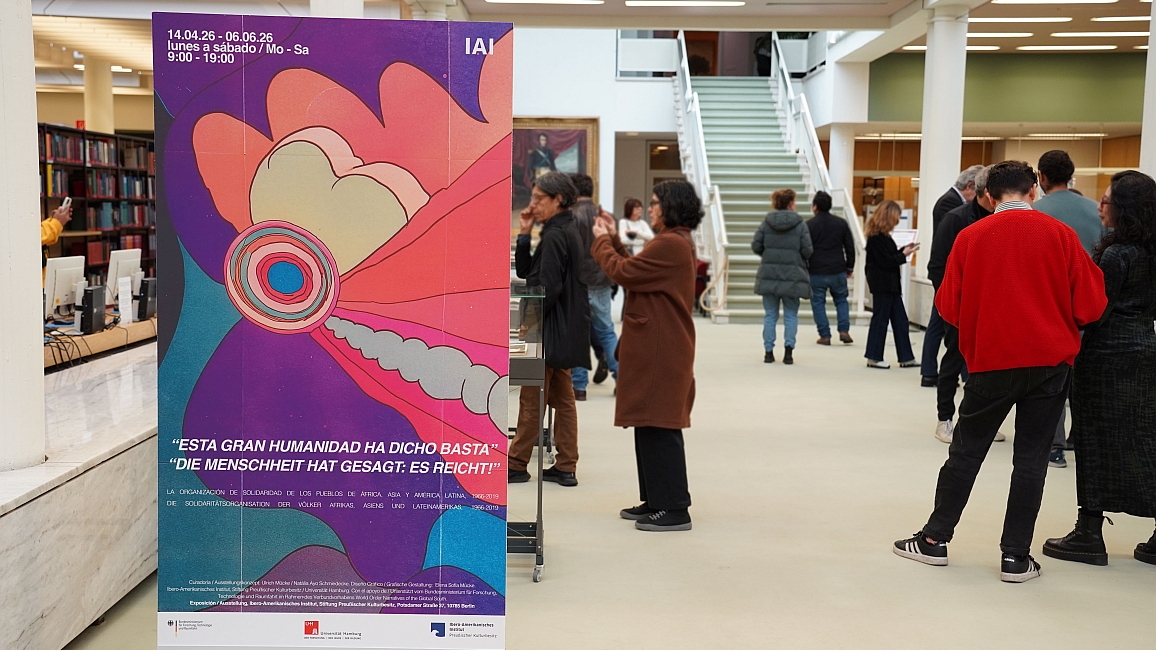
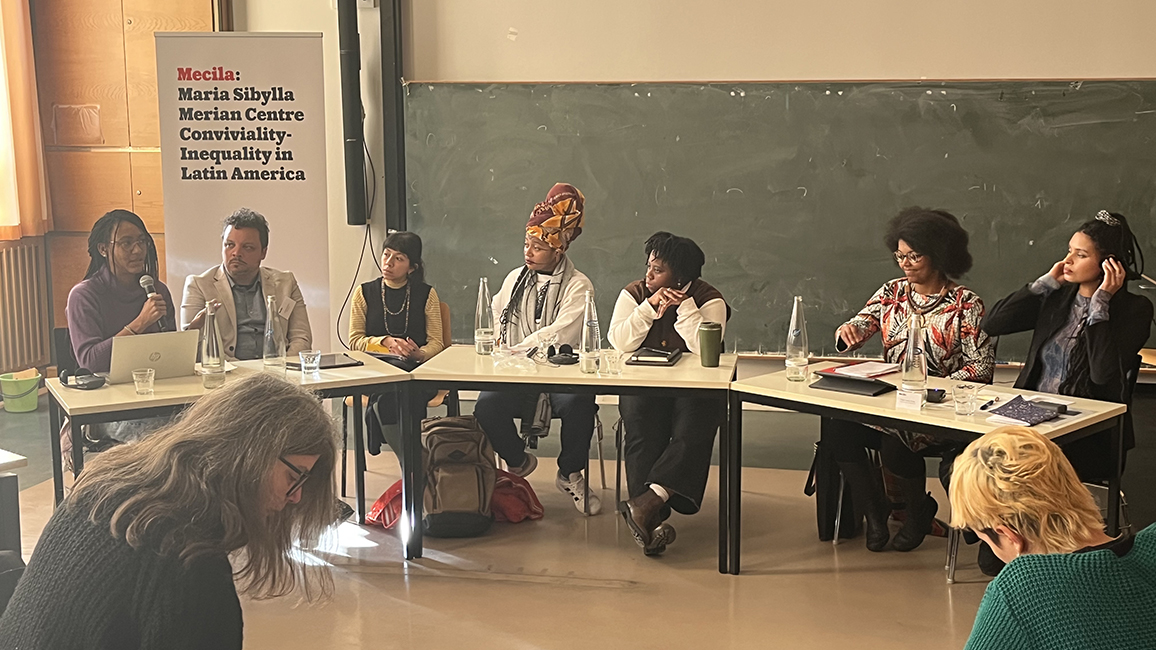
Whether it be visions of Africa’s future, Asia’s capacity for innovation or change in Eastern Europe – cross-border questions can only be answered through international cooperation. For this reason, the Federal Ministry of Research, Technology and Space (BMFTR) supports cross-border research cooperation in the humanities and social sciences. Like almost no other instrument, the Merian Centres, which are located in various regions of the world, enable research within long-standing, transnational working contexts.
Another tried-and-tested funding instrument for cutting-edge research in the humanities in Germany is the Käte Hamburger Colleges, where researchers are free to conduct research on topics of their own choosing. The Colleges are dedicated to new, innovative questions – including those that span disciplines.
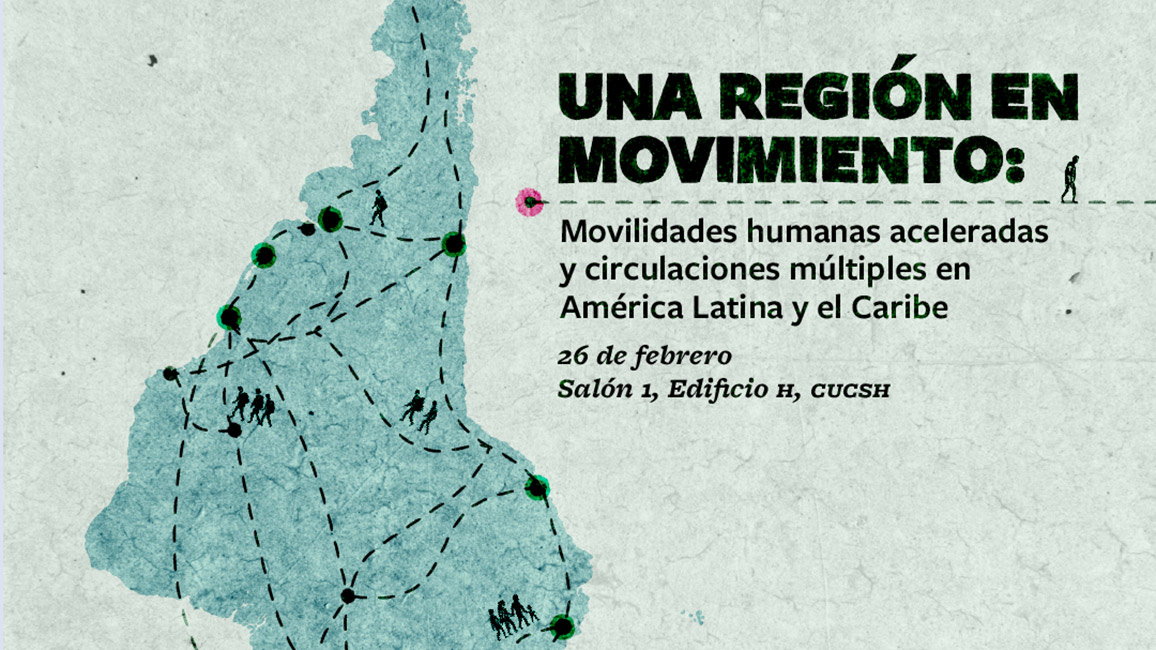
Through interdisciplinary approaches, regional studies combine historical, cultural and social perspectives, thereby laying the foundations for well-informed political decisions, sustainable development and social cohesion. Whether in Europe, Asia or Africa – this research makes it possible to understand regions in all their complexity and to derive courses of action for politics, administration and society. Free and innovative research also requires diversity and the networking of strong disciplines and research fields. Currently, 161 ‘minor subjects’ shape the German higher education landscape, with around 80 per cent falling within the humanities, cultural studies, social sciences and economics. With their unique specialist knowledge, they contribute to the development of the profiles and structures of German universities as well as to internationalisation.
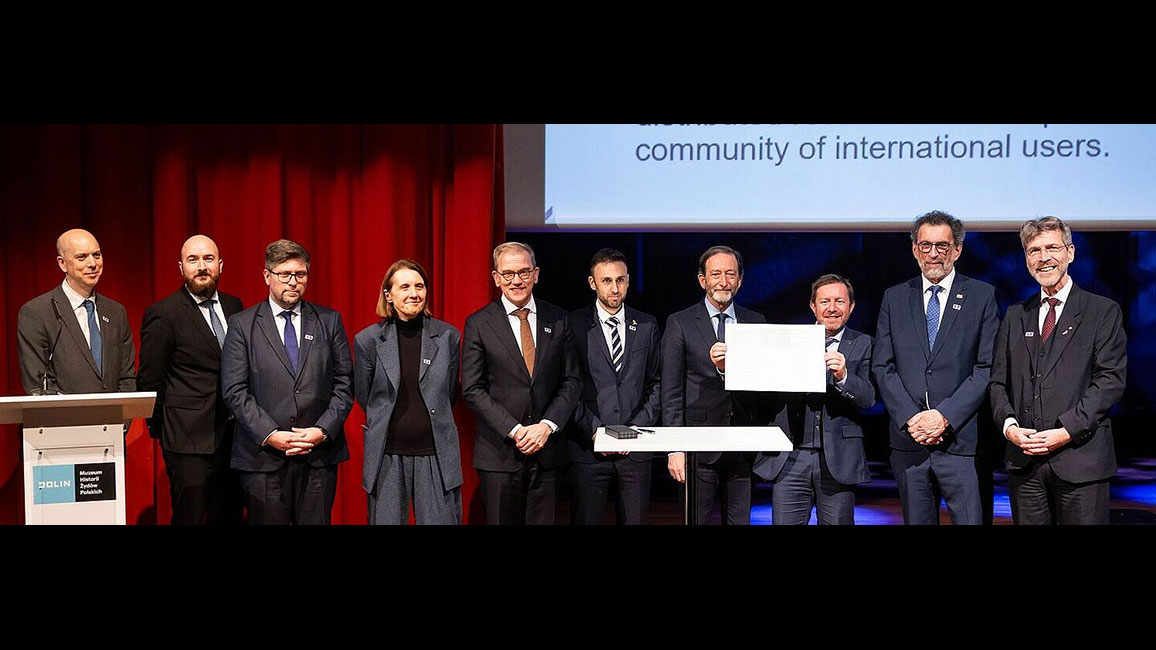
The Max Weber Foundation, which receives long-term support from the BMFTR, also makes a significant contribution to understanding and networking between Germany and host countries or regions through its ten institutes worldwide, as well as other research groups and offices; it promotes dialogue between academic cultures and strengthens the internationalisation of research in the humanities and social sciences.
The world’s largest programme for research and innovation funding is Horizon Europe, the EU Framework Programme for Research and Innovation, with a total budget of around 95.5 billion euros for the period from 2021 to 2027. Of particular interest to the humanities and social sciences is Cluster 2, ‘Culture, Creativity and Inclusive Society’, for which 2.3 billion euros in funding is available. Advice is provided by the National Contact Point (NCP) for Society. International networking and the search for potential project partners are supported by Net4Society, the international network of national contact points for Cluster 2 in Horizon Europe.