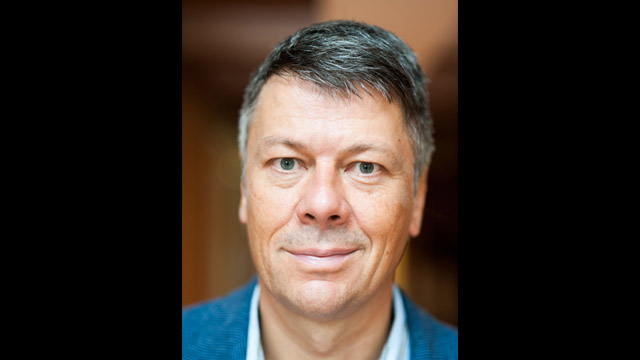
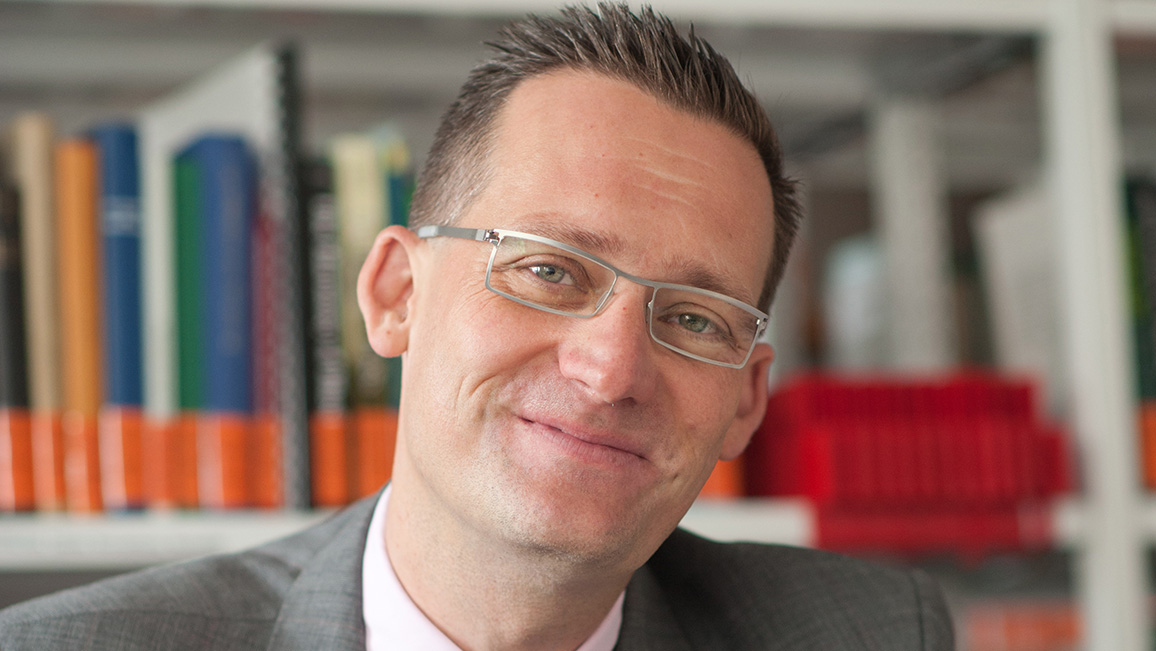
In February 2026, two events organised by the Merian Centre CALAS focused on how Latin America is reorienting itself within the new world (dis)order and what the implications are. You can find out more in this interview with Professor Dr Werner Mackenbach.
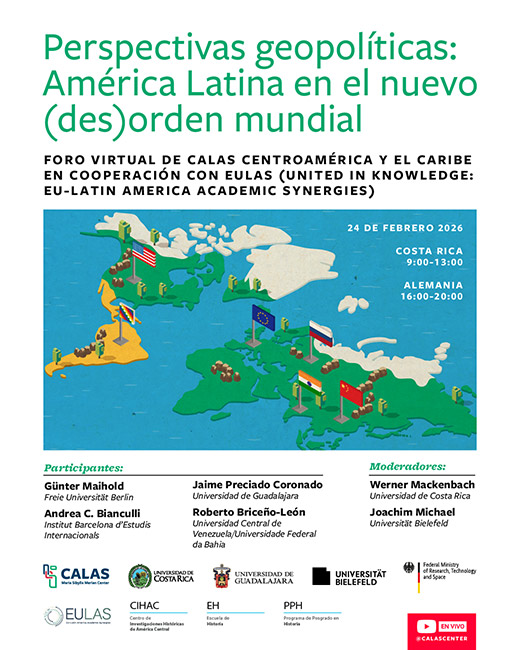
Flyer for the virtual CALAS Forum “Geopolitical Perspectives: Latin America in the New (Dis)World Order”, 24 February 2026
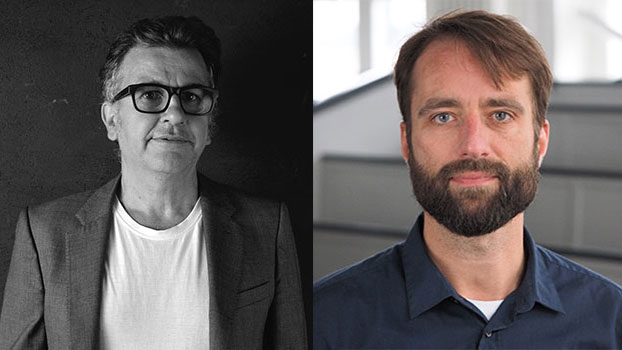
Werner Mackenbach, CALAS
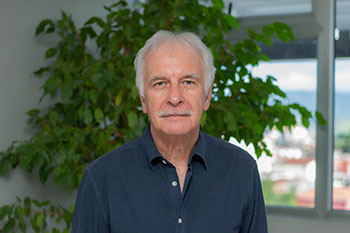
Im Interview: Professor Dr. Werner Mackenbach, Koordinator des Regionalzentrums Centroamérica y el Caribe des Maria Sibylla Merian Center for Advanced Latin American Studies (CALAS).
Professor Mackenbach, how is the current breakdown of the international rules-based order affecting the Latin American region?
For several centuries, Latin America was historically linked to Europe (particularly Spain, Portugal and France) in political, economic and cultural terms. From the end of the 19th century, and increasingly from the start of the 20th century, these ties were replaced by links to the USA, which led to a variety of dependencies. The various attempts to achieve greater independence for Latin America without abandoning its alignment with the political West now face new challenges.
In view of the end of the world order that emerged after the fall of the Iron Curtain, an ongoing process of deglobalisation, the crisis of multilateralism, the weakening of supranational organisations, the efforts of the BRICS states to assume a leading role, and in particular the rivalry between the US and China for international supremacy, Latin America is thus confronted with the task of (re)positioning itself within this current geopolitical landscape. How can the countries of the subcontinent participate in the process of global reorganisation and avoid the risk of slipping from the ‘periphery’ into ‘marginality’ and becoming an ‘absolute South’? How can Latin America prevent itself from being relegated to a theatre of competition between rival great powers? How can it escape the danger of falling from one dependency (on the US) into another (on China)? These are some key questions regarding Latin America’s positioning within the new world (dis)order.
Which geopolitical strategies can be identified? And how are relations with Germany and Europe changing?
Flyer for the virtual CALAS Forum “Geopolitical Perspectives: Latin America in the New (Dis)World Order”, 24 February 2026
Werner Mackenbach, CALAS
In many respects – despite the repeated discourses and invocations of a single great fatherland (“patria grande”) – Latin America is a fragmented continent. For the subcontinent to establish itself as a relevant actor on the world stage, it faces the question of how this internal fragmentation can be overcome. What prospects do the quest for balance between the US and China in Latin America’s international relations and the debates and projects surrounding non-alignment offer? In political and academic debates in Latin America, the idea of “active non-alignment” or “relative autonomy” – that is, the attempt not to align oneself unequivocally with a major power – is repeatedly discussed. Under current conditions, however, this is difficult to implement. Instead, many Latin American states are currently realigning themselves more closely with the US. This often goes hand in hand with closer security cooperation and follows the aggressive hegemonic policy towards Latin America pursued by the Trump administration. Underlying this is also a reinterpretation of the two-hundred-year-old so-called Monroe Doctrine, which traditionally claims US supremacy over the American double continent. Undoubtedly, the foreign policy orientation of countries such as Brazil and Mexico will play a significant role here, and to a lesser extent that of other countries such as Colombia.
Which opportunities are opening up for cooperation with Germany and Europe?
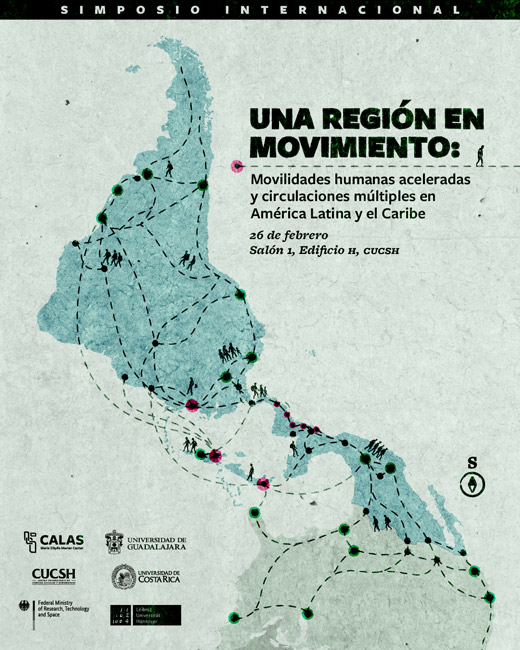
Simposio International
Werner Mackenbach, CALAS
Important opportunities for deeper cooperation may arise for Europe and Germany. However, they should be sensitive to the question of what consequences arise from the fact that the liberal world order has failed to keep its promises to help Latin American societies achieve greater prosperity and well-being. Instead of repeating the discourse on the supposedly ‘shared values’ of Europe and Latin America (which are themselves contested within countries on both sides of the Atlantic), as is particularly cultivated by EU foreign policy makers, Europe and Germany should focus on defining common interests with Latin America in the new global landscape. Only in this way can we prevent agreements between the two regions from leading to the re-establishment or reinforcement of dependent and hierarchical structures.
What can Merian research contribute to better understand current developments, such as issues of migration and mobility?
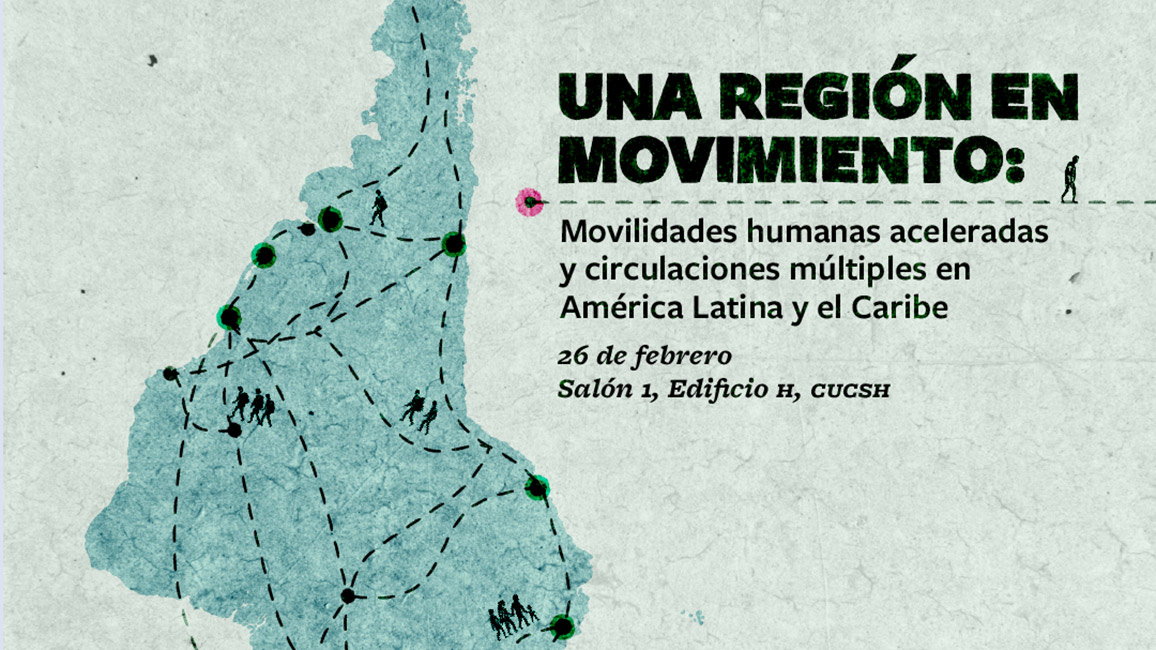
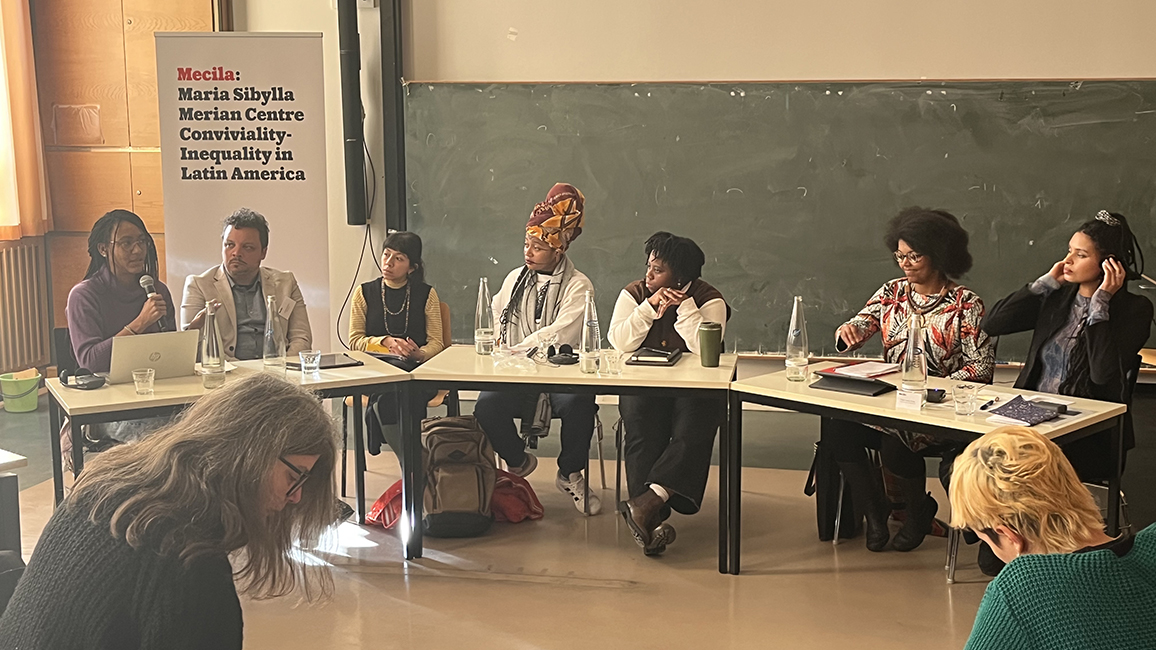
Research and academic exchange within the framework of the Merian Centres make an important contribution here, particularly through the promotion of inter-American and transatlantic dialogue, such as at the CALAS Forum on Geopolitics in February, which was attended by a Venezuelan scholar in exile in Brazil (Director of the Venezuelan Observatory on Violence), the former Deputy Director of the German Institute for International and Security Affairs (SWP), Berlin, and two Mexican experts in international relations from the University of Guadalajara. There are plans to continue and expand this exchange with scholars from Asia and Africa. The issue of ‘migration geopolitics’, which was discussed at this forum, was also a central aspect of the international symposium on migration and mobility in Latin America and the Caribbean, which was also organised by CALAS at the University of Guadalajara at the end of February and attended by academics from Latin America and Germany. This symposium marked the start of academic cooperation between a group of CALAS-funded scholars (fellows) from Latin America and Germany within the CALAS Research Laboratory on this topic, who will be investigating the diversity and complexity of contemporary migratory and mobility movements throughout 2026. The networking of the Merian Centres existing in Latin America, Africa and Asia offers excellent conditions here for international exchange and reflection on alternative forms of international relations.
Many thanks, Professor Mackenbach, for your fascinating insights!
(The interview was conducted in writing on 17 March 2026)
Maria Sibylla Merian Center for Advanced Latin American Studies (CALAS)
CALAS is one of the Merian Centres funded by the BMFTR: it is headquartered in Guadalajara, Mexico, and also maintains regional centres in Argentina, Costa Rica and Ecuador. Established by four German and four Latin American universities, the Maria Sibylla Merian Centre hosts interdisciplinary research teams, to which up to 25 international fellows are invited on a rotating basis. They investigate social crises across four interconnected research priorities: ‘Socio-ecological transformation’, ‘Social inequalities’, ‘Violence and conflict resolution’ and ‘Identity and region’. The research focuses on how the experiences of locally, regionally and globally intertwined crises and processes of change are triggered, perceived and reflected upon by various actors, but also on what potential solutions emerge from the respective contexts.
We want this website to meet your needs as best as possible. To this end, we use cookies and the web analytics tool Matomo to learn which pages are visited most often. Your visit is currently not being counted. By allowing us to count your visit anonymously, you help us to achieve this goal. Web analytics enable us to adapt this website to your needs. No data is forwarded to third parties. For further information, please see our privacy notice.