CALAS Summer School: A Fresh Perspective on a Long-Standing Relationship
250 years of history, three days of lively exchange and fresh insights: At the international CALAS Summer School, more than twenty early-career researchers discussed relations between the United States and Latin America. The event took place in late September 2026 at the Merian Centre’s headquarters in Guadalajara, Mexico.
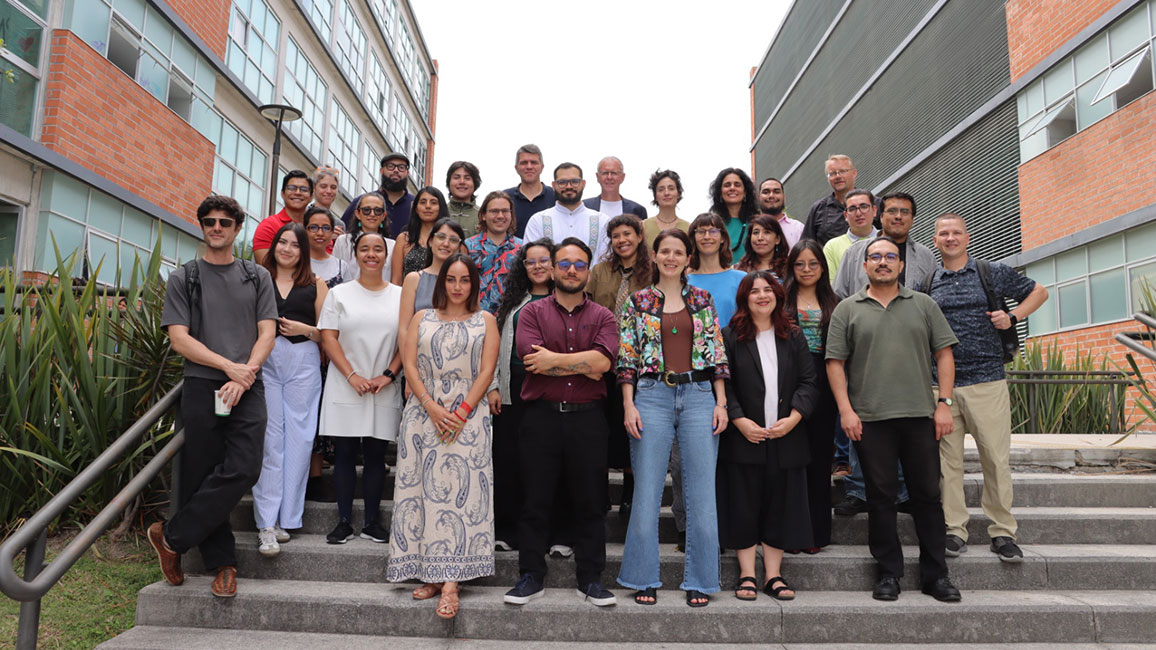
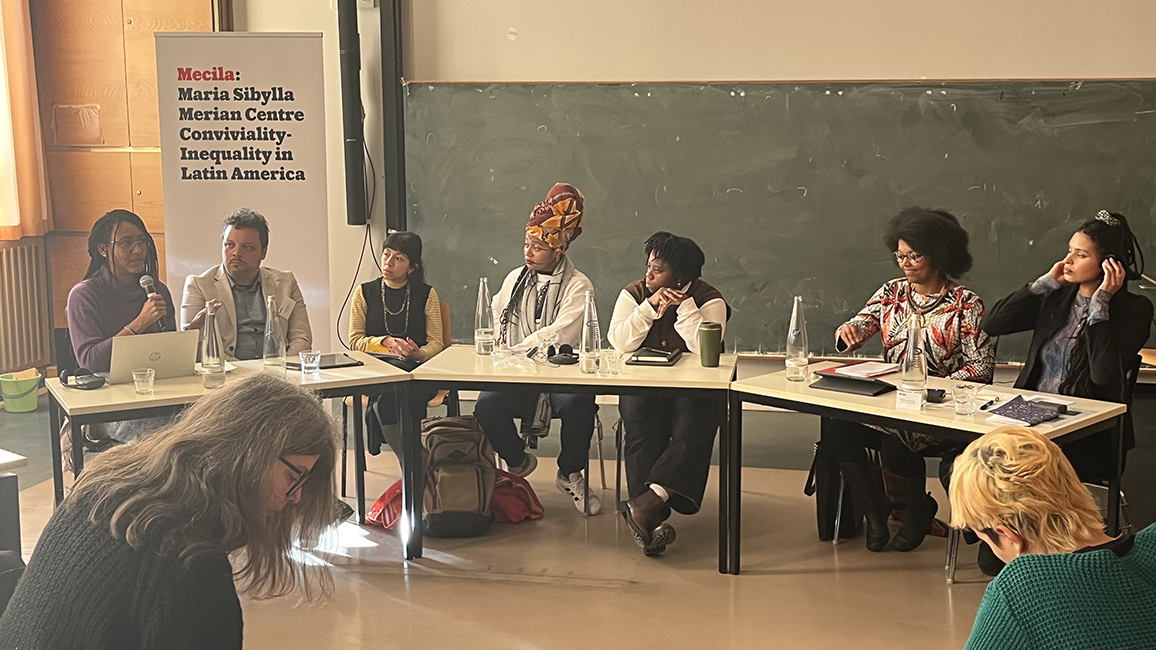
Group photo – thirteen countries and a range of disciplines: From 23 to 25 September 2026, the international CALAS Summer School brought together more than twenty early-career researchers at CALAS headquarters in Guadalajara.
In times of global uncertainty, creating spaces for dialogue and the collaborative production of knowledge is essential. The Maria Sibylla Merian Centre for Advanced Latin American Studies in the Humanities and Social Sciences (CALAS) provides a unique platform for this exchange between Latin America and Europe. As a collaborative research project, CALAS brings together three German and four Latin American universities. Since 2017, it has received funding from the German Federal Ministry of Research, Technology and Space (BMFTR) to strengthen academic cooperation between Germany and Latin America. Naturally, this also includes supporting early-career researchers: From 23 to 25 September 2026, the international CALAS Summer School brought together researchers from different countries and disciplines at CALAS headquarters in Guadalajara. The event explored how relations between Latin America and the United States have evolved over time.
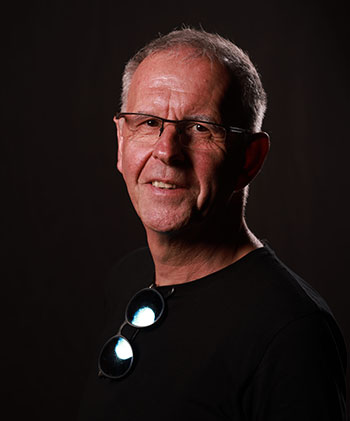
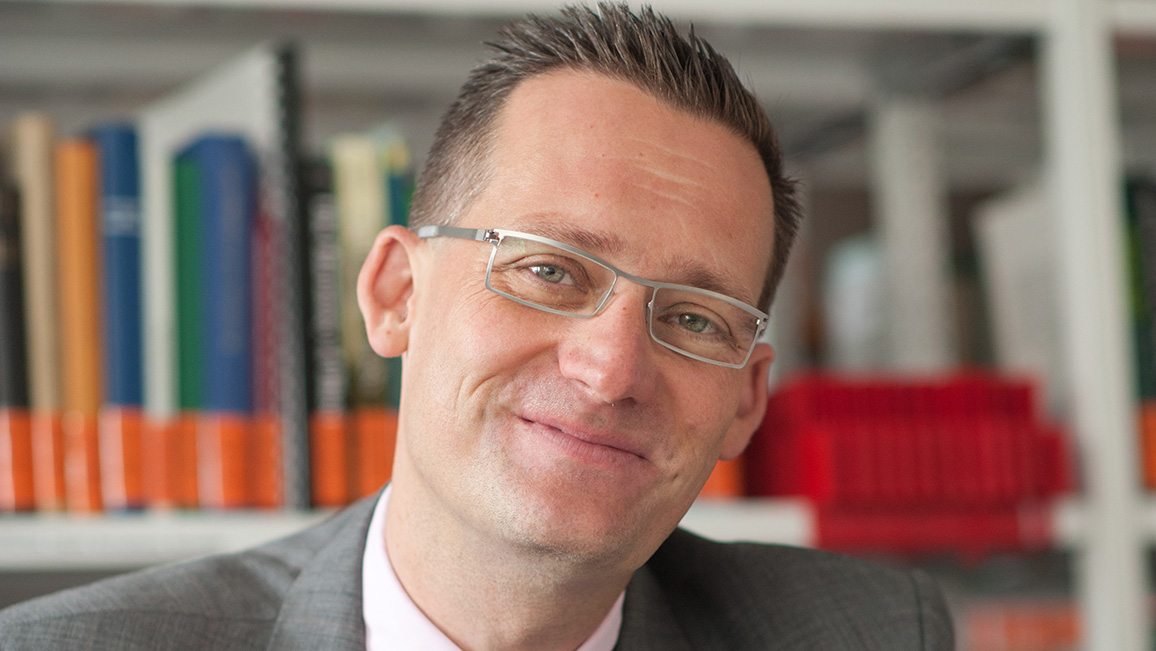
250 years of US–Latin American relations – what did the CALAS Summer School bring to light that has received too little attention so far, Professor Raussert?
Above all, our Summer School made one thing clear: The world is changing, and our perspectives on the world must change with it. The presentations and discussions showed that the hegemonic influence exerted by the United States in various countries across Latin America and the Caribbean, which we have repeatedly observed throughout the history of the Americas, has intensified once again. It also became clear that connections and processes of exchange are increasingly emerging in which ideas, practices, goods and beliefs flow from South to North – and these new forms of complex interconnectedness between North and South are also evident at the global level. Consider China's growing influence in Latin America and the countermeasures taken by the United States in response.
One lasting insight was that we cannot regard Latin America as a homogeneous political, cultural and economic entity. The United States, too, has undergone profound changes as a result of South–North migration and has become increasingly divided along lines of conflict. The insights gained from this Summer School demonstrate that the transformation processes of our time can best be understood as interconnected across the hemisphere and shaped by global forces. These research approaches should be developed further.
The current CALAS project phase (2025–2029) is entitled “Creating Horizons: Accelerations, Emergences, Transformations”. How did the Summer School contribute to this theme?
While the earlier phase of CALAS focused primarily on crises and how to overcome them, the current project phase places the creation of new horizons at the centre of its research, exploring creative and transformative responses to crises. Numerous presentations and discussions at the CALAS Summer School specifically addressed transformative social and cultural practices in the fields of migration, healthcare, art and environmental issues. In doing so, they reflected on new models of coexistence, equitable distribution, dialogue between humans, nature and the planet, as well as knowledge and artistic production.
Many contributions also highlighted how digital and social media have dramatically accelerated changes in relations among Latin American and Caribbean countries, as well as their connections with the North and the wider world.
For many years, the CALAS Summer School has brought together early-career researchers from different countries and disciplines. What impact does this exchange have?
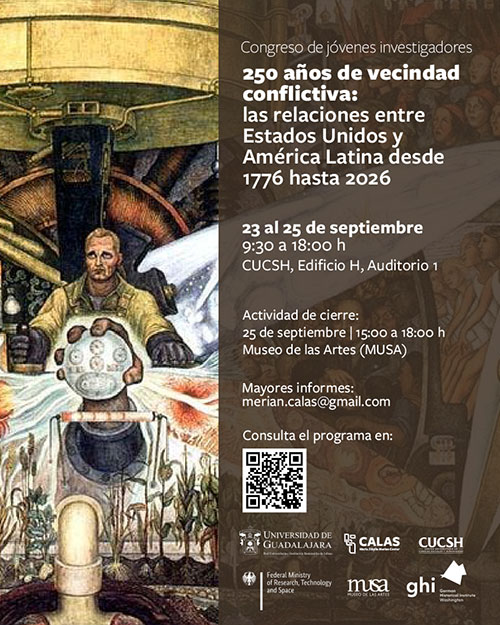
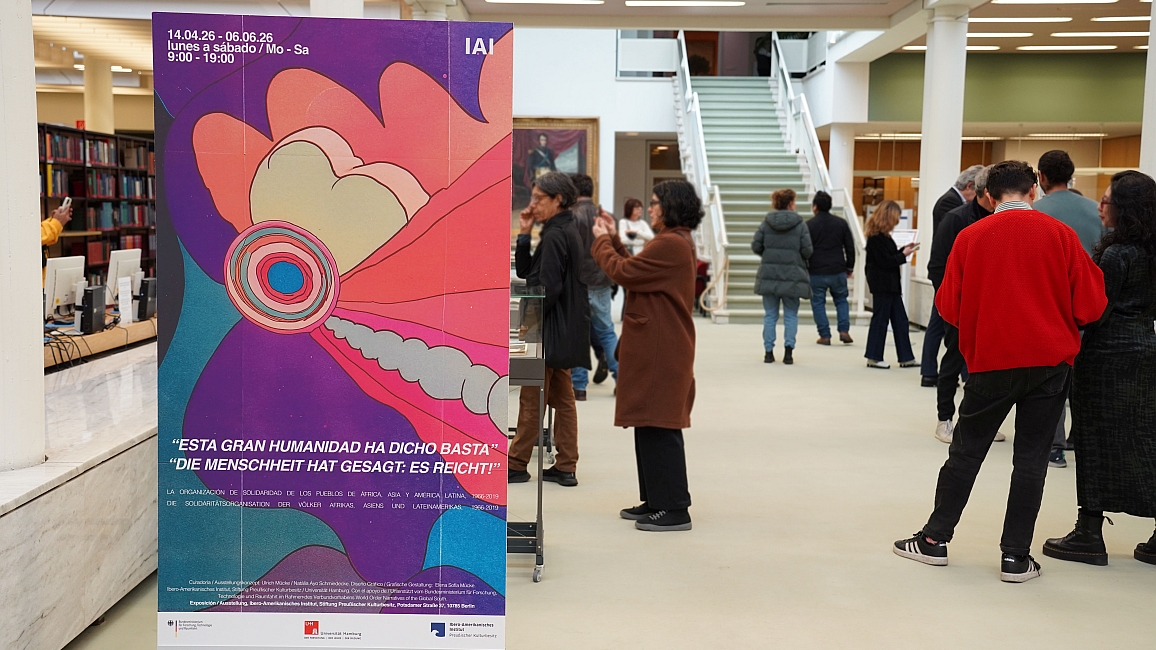
Event poster for the 2026 Summer School
The steadily growing interest in the CALAS Summer Schools demonstrates the transnational impact of these events. This year, participants from thirteen countries and disciplines including political science, cultural studies, media studies, history, anthropology and sociology took part.
Over the years, these exchanges have fostered new networks among early-career researchers, who continue their dialogue and collaboration on research questions well beyond the event itself. The CALAS Summer School concept underscores the importance of increasingly collaborative and interdisciplinary approaches to contemporary research. Such approaches are essential for understanding the complex transformations of our time, developing sustainable academic responses to today's questions and challenges, and communicating these insights transparently.
It also highlights the urgent need to expand support for early-career researchers across all disciplines in order to safeguard interdisciplinary knowledge production beyond purely national interests in the future.
Are there plans for new formats to support early-career researchers and promote knowledge transfer?
The CALAS Summer School was organised in cooperation with the Center for InterAmerican Studies (CIAS) at Bielefeld University, the German Historical Institute in Berkeley and the MUSA Art Museum at the Universidad de Guadalajara.
This broader network of cooperation proved particularly enriching, as it also enabled collaboration between academic research and artistic production, while making CALAS research accessible to a wider public.
In my view, it would make sense to involve several institutions in future initiatives supporting early-career researchers, not least to extend the reach of knowledge production. We also intend to deepen the dialogue between academia and the arts.
A multimedia exhibition entitled Encounters, Transformations, Visions is planned for spring 2028. It will accompany the CALAS research laboratory on art and creativity through dialogue and will focus in particular on the theme of “Creating Horizons”, including through participatory formats.
What is next on the agenda?
With regard to supporting early-career researchers in particular, CALAS will work closely with Bielefeld University's CIAS and the International Association of Inter-American Studies during the international conference Laboratories of Change: The Americas between Progress and Backlash, taking place at Bielefeld University from 2 to 4 June 2027. Workshops specifically designed to support early-career researchers are currently being planned as part of the conference.
Thank you very much, Professor Raussert, for these fascinating insights!
(The interview was conducted in writing on 22 October 2026; questions by Katrin Schlotter.)
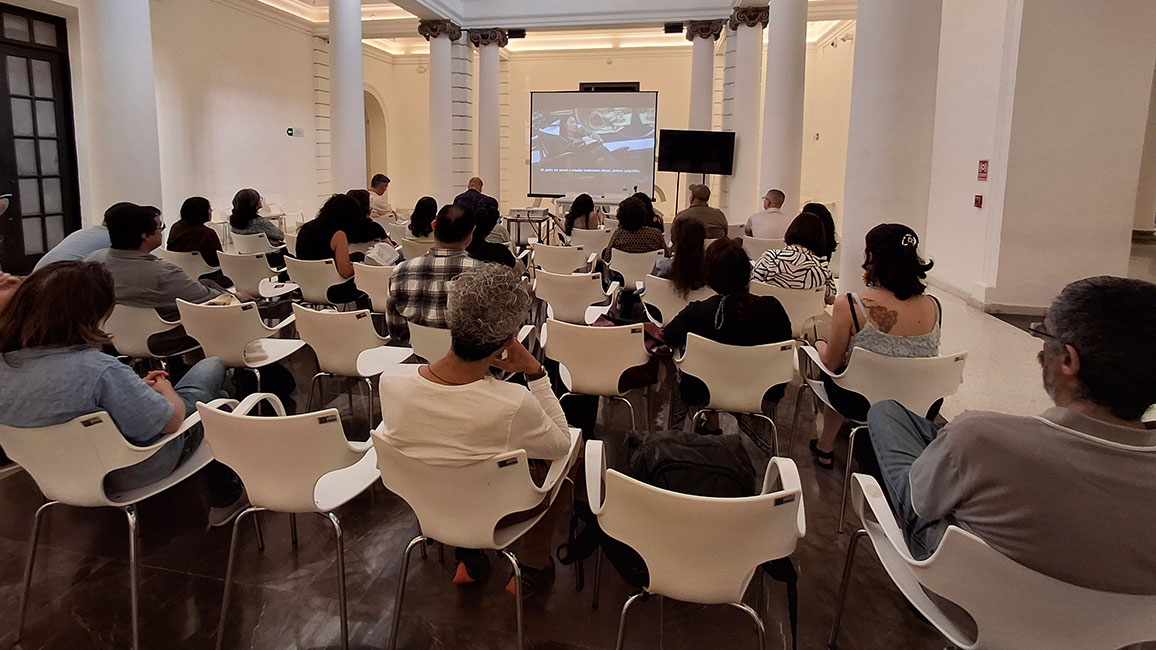
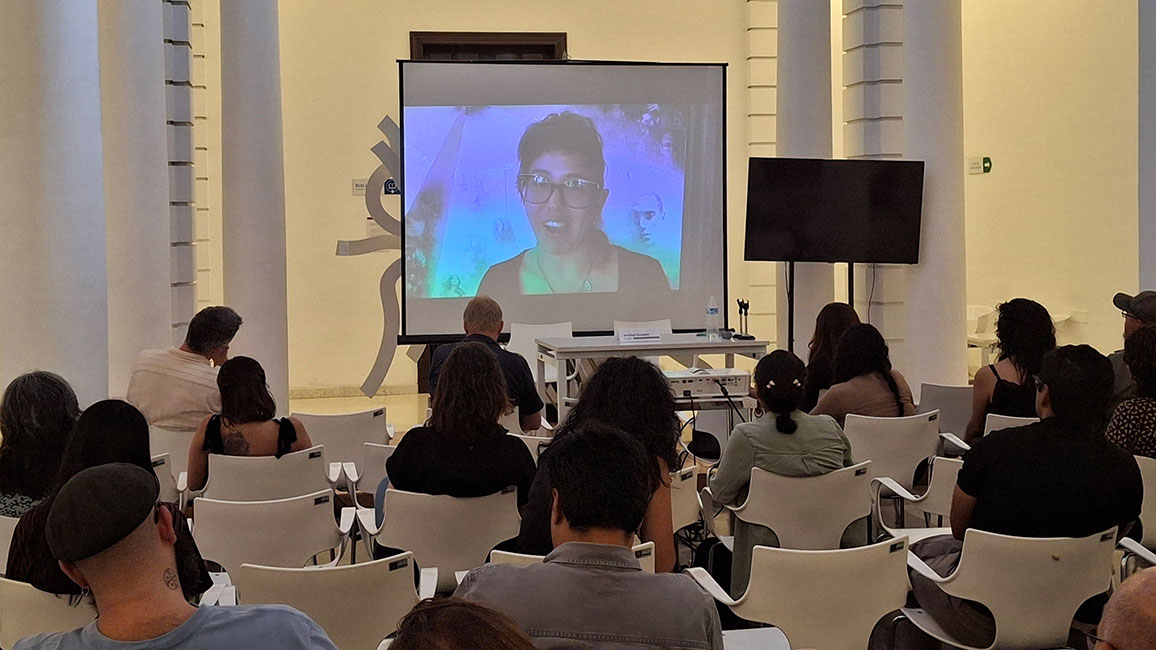
Film screening at the MUSA Art Museum of the Universidad de Guadalajara.
MUSA CALAS Film Presentation 1+2
Film screening at the MUSA Art Museum of the Universidad de Guadalajara.
MUSA CALAS Film Presentation 1+2
The Merian Centre CALAS
The Maria Sibylla Merian Centre for Advanced Latin American Studies in the Humanities and Social Sciences (CALAS) is based on a partnership between three German and four Latin American universities. Since 2017, it has received funding from the German Federal Ministry of Research, Technology and Space (BMFTR) to strengthen academic cooperation between Germany and Latin America. The funding recipients are Bielefeld University, Leibniz University Hannover and the University of Kassel.
Interdisciplinary research teams, which bring together Latin American and international scholars invited as fellows, investigate societal crises across six interconnected areas of research. Their work focuses on how crises and transformation processes that are interconnected at local, regional and global levels are triggered, perceived and reflected upon by different actors, as well as on the potential solutions that emerge from their respective contexts.
Merian Centres are also located in other regions of the world, including India, Tunisia, Brazil and Ghana.
The BMFTR Merian Centres Initiative
The BMFTR Merian Centres Initiative represents a globally unique funding model for the internationalisation of the humanities and social sciences.
At the five BMFTR-funded Merian Centres in Latin America, India, and North and West Africa, fellows from Germany, the host country and other regions of the world work together, bringing different disciplinary perspectives to a jointly selected research focus.
From the perspectives of the humanities and social sciences, they analyse societal issues in their transnational contexts, thereby providing knowledge that helps guide understanding and action in addressing current global challenges.
CALAS Summer School 2026
As part of a collaboration between CALAS (headquartered in Mexico), CALAS Bielefeld and the Pacific Office of the German Historical Institute (GHI) Washington at UC Berkeley, the international CALAS Summer School took place at CALAS headquarters in Guadalajara from 23 to 25 September 2026.
More than twenty early-career researchers in the humanities and social sciences (including history) from Latin America, Germany and the United States presented their perspectives for discussion (see poster for the programme).
We want this website to meet your needs as best as possible. To this end, we use cookies and the web analytics tool Matomo to learn which pages are visited most often. Your visit is currently not being counted. By allowing us to count your visit anonymously, you help us to achieve this goal. Web analytics enable us to adapt this website to your needs. No data is forwarded to third parties. For further information, please see our privacy notice.